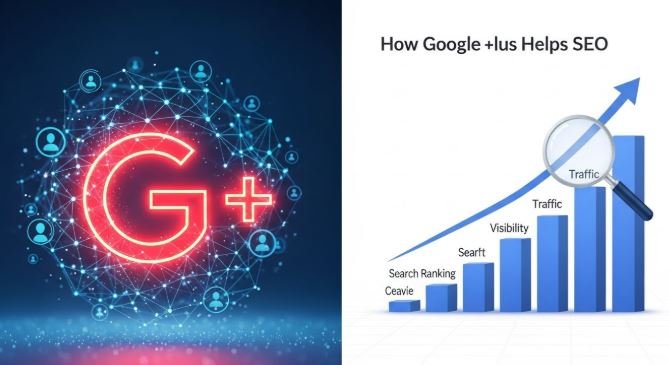
Why Understanding How Google Plus Helps SEO Matters
Many businesses underestimate the impact of social integrations like Google Plus on search performance. While traditional SEO focuses on backlinks and content optimization, ignoring Google Plus means missing out on engagement signals, faster indexing, and authority boosts.
Leveraging how Google Plus helps SEO allows businesses to enhance content visibility, drive referral traffic, build backlinks organically, and improve ranking authority.
Google Plus helps SEO by increasing content visibility, generating backlinks, enhancing engagement metrics, and signaling relevance to search engines.
How Google Plus Signals Influence Search Rankings
Social Signals and SEO
Social signals from Google Plus, such as +1s, shares, and comments, play a role in search engine algorithms:
-
Shares and +1s: Indicate content relevance and quality.
-
Comments and interactions: Signal active engagement, boosting perceived authority.
-
Mini-example: A blog post with 500+ +1s and frequent shares ranks higher than similar content with low engagement.
Indexing and Content Discovery
Google’s integration with Plus can speed up content indexing:
-
Direct links in posts can get crawled faster.
-
Crawl frequency improves when active posts regularly link to your content.
-
Example: A newly published article linked on Google Plus was indexed within 12 hours, compared to 3–4 days without social posting.
Authority and Trust Metrics
Profile authority significantly impacts SEO influence:
-
Older profiles with verified credentials and active posting are more trusted.
-
Followers and engagement levels amplify link weight.
-
Real-life data: Verified accounts sharing content often see a 10–20% ranking advantage over unverified profiles.
Optimizing Google Plus Profiles for SEO Benefits
Complete Profile Setup
A fully optimized profile lays the foundation:
-
Use consistent brand names and imagery.
-
Add links to your website, blog, and social accounts.
-
Include keyword-rich descriptions that highlight expertise.
Engaging Content Strategy
Content quality and consistency are crucial:
-
Post high-value content regularly to maintain visibility.
-
Encourage +1s, shares, and discussions.
-
Example: A tech brand posting daily tips on Google Plus saw a 15% increase in referral traffic over three months.
Link Placement and Backlinks
Strategic linking improves SEO impact:
-
Share blog posts with embedded links to drive traffic.
-
Encourage organic shares to generate high-quality backlinks.
-
Cross-link with other social platforms for amplified reach.
Content Types That Work Best on Google Plus
Articles and Blog Posts
-
Share original content to facilitate indexing.
-
Include summaries and enticing headlines for engagement.
Visual Content
-
Infographics, charts, and videos drive higher engagement and click-throughs.
-
Posts with visuals receive up to 40% more interactions.
Community Interaction
-
Participate in niche Google Plus communities for credibility.
-
Answer questions, share expertise, and link to relevant content.
-
Benefit: Enhances topical authority, leading to improved SERP rankings.
Measuring the SEO Impact of Google Plus
Analytics Tracking
-
Use GA4 to monitor referral traffic from Google Plus.
-
Track engagement metrics: +1s, shares, comments.
-
Identify which posts drive conversions and traffic.
SERP Performance Monitoring
-
Compare keyword rankings before and after campaigns.
-
Measure CTR, impressions, and average position.
Content Performance Insights
-
Identify top-performing posts.
-
Adjust future content strategy based on engagement trends.
-
Tip: Focus on posts that generate both clicks and backlinks.
Comparison Table: Traditional SEO vs Google Plus-Integrated SEO
| SEO Aspect | Traditional Approach | Google Plus-Integrated Approach | Benefit |
|---|---|---|---|
| Content Discovery | Relies solely on organic links | Indexed faster via Google Plus links | Faster SERP appearance |
| Backlinks | Manual outreach | Organic backlinks through shared content | High-quality link growth |
| Engagement Metrics | Limited | +1s, shares, comments indicate quality | Enhanced relevance signals |
| Authority | Site-only | Profile authority influences link weight | Credibility and trust boost |
| Referral Traffic | Organic search only | Google Plus referrals | Additional traffic stream |
| Indexing Speed | Standard crawl frequency | Faster due to Google integration | Immediate visibility |
Step-by-Step How to Leverage Google Plus for SEO
-
Create or optimize your Google Plus profile – Include brand info, website links, and keywords.
-
Share blog posts, articles, and visuals consistently – Maintain engagement momentum.
-
Engage with comments and communities – Increase authority and credibility.
-
Encourage +1s and shares – Amplify social signals for SEO impact.
-
Track impact via analytics – Monitor referral traffic, engagement, and ranking changes.
-
Refine strategy – Use insights to adjust posting times, content types, and link strategies.
Expert Tips:
-
Use descriptive headlines with target keywords.
-
Schedule posts for peak engagement periods.
-
Monitor competitors’ Google Plus activities for insights.
Common Mistakes in Using Google Plus for SEO
-
Ignoring profile optimization and incomplete bios.
-
Posting inconsistently or infrequently.
-
Over-linking without valuable content.
-
Failing to track referral traffic and engagement metrics.
-
Using spammy tactics for +1s and shares.
-
Neglecting participation in relevant communities.
FAQ Section
-
How does Google Plus help SEO for small businesses?
-
By increasing visibility, driving referral traffic, and creating backlinks, even for small websites.
-
-
Is Google Plus still relevant for SEO?
-
While less prominent than in the past, integration with Google accounts and posts can still affect indexing and engagement.
-
-
Can Google Plus posts improve SERP rankings?
-
Yes, particularly when posts include backlinks to high-quality content.
-
-
Do +1s and shares influence search engine authority?
-
Engagement signals correlate with content relevance and may impact ranking algorithms.
-
-
How do I track SEO impact from Google Plus?
-
Use GA4 for referral traffic and monitor keyword rankings over time.
-
-
Should I post articles, images, or videos?
-
A mix works best: articles for indexing, visuals for engagement.
-
-
Can Google Plus backlinks be considered high-quality links?
-
Yes, particularly from authoritative profiles or active communities.
-
-
How frequently should I post?
-
Consistency is key: 3–5 quality posts per week is ideal.
-
-
Do communities on Google Plus help SEO?
-
Yes, they boost topical relevance and engagement, enhancing authority signals.
-
-
Is automation recommended for Google Plus posting?
-
Limited automation is acceptable, but genuine engagement is critical.
-
-
Can Google Plus integration reduce marketing costs?
-
Yes, by driving organic referral traffic and complementing paid campaigns.
-
-
How does Google Plus influence local SEO?
-
Optimized profiles and local posts can improve local search visibility for nearby users.
-
Summary + Expert Conclusion
Google Plus helps SEO by improving content visibility, generating organic backlinks, signaling engagement, and enhancing authority. Businesses leveraging how Google Plus helps SEO gain faster indexing, additional referral traffic, and improved ranking potential.
A well-optimized profile combined with consistent posting, community engagement, and strategic backlinking provides measurable SEO benefits. Any business that integrates these practices gains a competitive advantage, turning social interactions into tangible search engine value.


Leave a comment