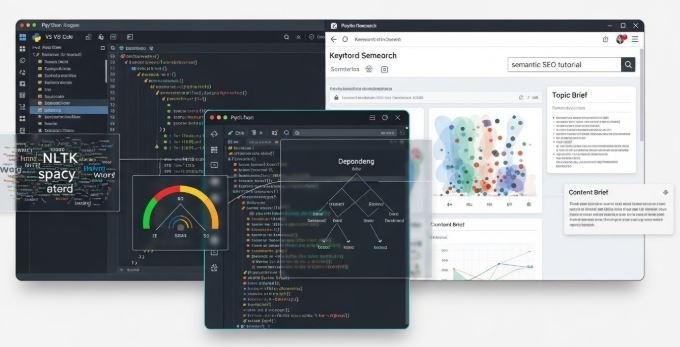
In today’s digital landscape, understanding how search engines interpret content is more critical than ever. Traditional SEO—focused solely on keywords is no longer enough. Semantic SEO, which optimizes content based on context, meaning, and user intent, is now the standard. Python, with its powerful Natural Language Processing (NLP) capabilities, has emerged as a top choice for marketers, content creators, and SEO professionals looking to enhance their content’s search engine performance.
In this guide, we’ll explore how to use Python for NLP and semantic SEO, offering step-by-step instructions, practical examples, and expert insights to help you leverage Python for smarter, context-aware content optimization.
Short Answer – How to Use Python for NLP and Semantic SEO
Python is a versatile programming language for NLP (Natural Language Processing) and semantic SEO. With libraries like SpaCy, NLTK, and transformers, Python can analyze text, extract key entities, understand searcher intent, and optimize content semantically.
Immediate benefits include:
- Smarter keyword targeting based on semantic relevance
- Improved content structure aligned with user intent
- Enhanced search engine understanding for higher rankings
In essence, Python transforms raw content into data-driven insights, making semantic SEO scalable and more precise.
What is NLP and Semantic SEO?
Understanding NLP (Natural Language Processing)
Natural Language Processing (NLP) is a branch of artificial intelligence focused on enabling computers to read, interpret, and derive meaning from human language.
Key components of NLP include:
- Text Preprocessing: Tokenization, lemmatization, stopword removal
- Semantic Analysis: Understanding context, topic modeling, and meaning
- Sentiment Detection: Determining positive, negative, or neutral tones in content
By applying NLP to your content, you can extract valuable insights about user intent and improve SEO relevance.
Understanding Semantic SEO
Semantic SEO goes beyond targeting isolated keywords. It focuses on the meaning behind queries, ensuring that content aligns with the intent and context of the searcher.
Key principles include:
- Using entity recognition to identify people, places, and concepts
- Understanding relationships between terms and topics
- Aligning content with search intent rather than just keywords
Unlike traditional SEO, semantic SEO ensures your content satisfies user queries comprehensively, which is increasingly rewarded by Google’s algorithms.
Why Python is Ideal for NLP and Semantic SEO
Python Libraries for NLP
Python offers a robust ecosystem of NLP libraries that make semantic analysis practical and scalable:
- SpaCy: Fast, efficient, and accurate; excellent for named entity recognition and dependency parsing
- NLTK: Classic NLP library ideal for research and educational purposes; supports a variety of text-processing tasks
- Transformers (Hugging Face): Advanced models like BERT and GPT for deep semantic understanding and contextual embeddings
Python Tools for Semantic SEO
Beyond NLP, Python can help optimize content semantically with these tools:
- Gensim: Topic modeling and semantic similarity analysis
- Textacy: Advanced text processing and semantic content analysis
- SERP Analysis APIs: Automate content optimization based on real-time search engine data
These tools enable SEO professionals to identify meaningful keywords, structure content effectively, and enhance semantic relevance.
How to Use Python for NLP and Semantic SEO – Step-by-Step Guide
Step 1 – Setting Up Python Environment
-
Install Python from python.org.
-
Set up a virtual environment:
python -m venv nlp_env
source nlp_env/bin/activate # macOS/Linux
nlp_env\Scripts\activate # Windows
-
Install NLP libraries:
pip install spacy nltk gensim textacy
Step 2 – Preprocessing Your Content
Preprocessing prepares text for analysis:
- Tokenization: Break text into words or sentences
- Lemmatization: Reduce words to base form
- Stopword Removal: Remove common, non-informative words
Example Python snippet:
import spacy
nlp = spacy.load(“en_core_web_sm”)
doc = nlp(“Python is powerful for semantic SEO and NLP.”)
tokens = [token.lemma_ for token in doc if not token.is_stop]
print(tokens)
Step 3 – Semantic Analysis
Semantic analysis helps understand the meaning behind content:
- Named Entity Recognition (NER): Extract people, places, and organizations
- Topic Modeling: Identify key topics using Gensim
- Embedding Vectors: Compare semantic similarity of sentences or keywords
from gensim.models import Word2Vec
# Example for semantic similarity
Conclusion
Leveraging Python for NLP and semantic SEO transforms content strategy from guesswork into a data-driven, context-aware approach. By combining Python libraries like SpaCy, NLTK, and Transformers with semantic SEO practices, marketers can achieve:
- Higher search engine rankings
- Enhanced content relevance and engagement
- Efficient, scalable content optimization
Start small, experiment with Python scripts, and gradually scale your semantic SEO initiatives to stay ahead in today’s competitive digital landscape. For proper guidance and visit Incline Solution, we build what is really complex.



Leave a comment